
Prismatic Flower Collection
Blooming with Intention
People have always reached for flowers to mark what matters: to celebrate, to comfort, to welcome something new. The Prismatic Flower collection takes that instinct and turns it into a practice you can return to. Inspired by flower-bathing traditions found across cultures, each product invites you to reflect and make room for what’s next. Every meaningful change begins with intention, presence, and the quiet decision to welcome something new. Start with a single flower.
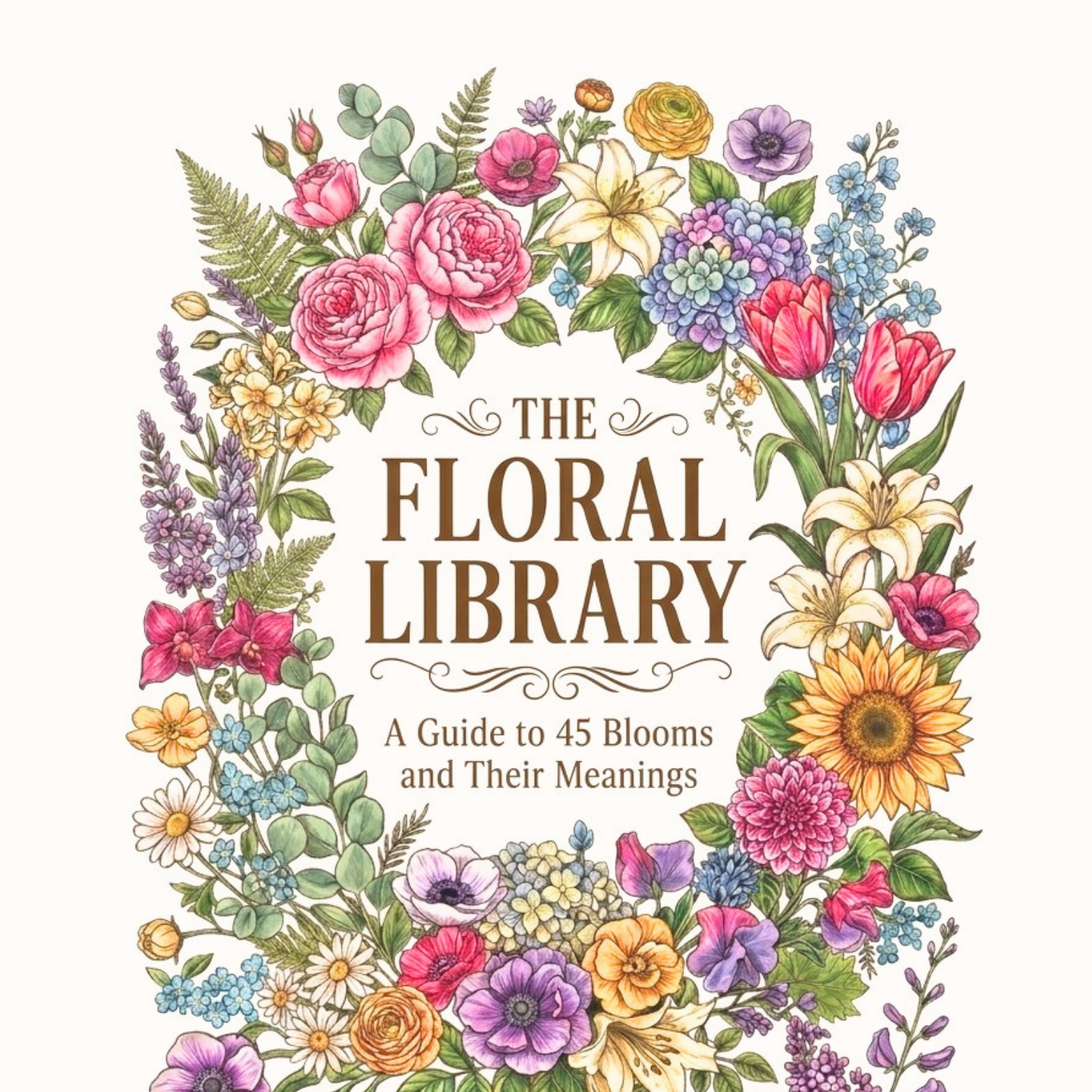
Reference guide to 45 flowers across the four intentions. Each entry includes meaning, folklore, an affirmation, and a pairing suggestion, plus quick-reference charts. It is a good companion for the e-book, or a lovely guide to browse on its own.
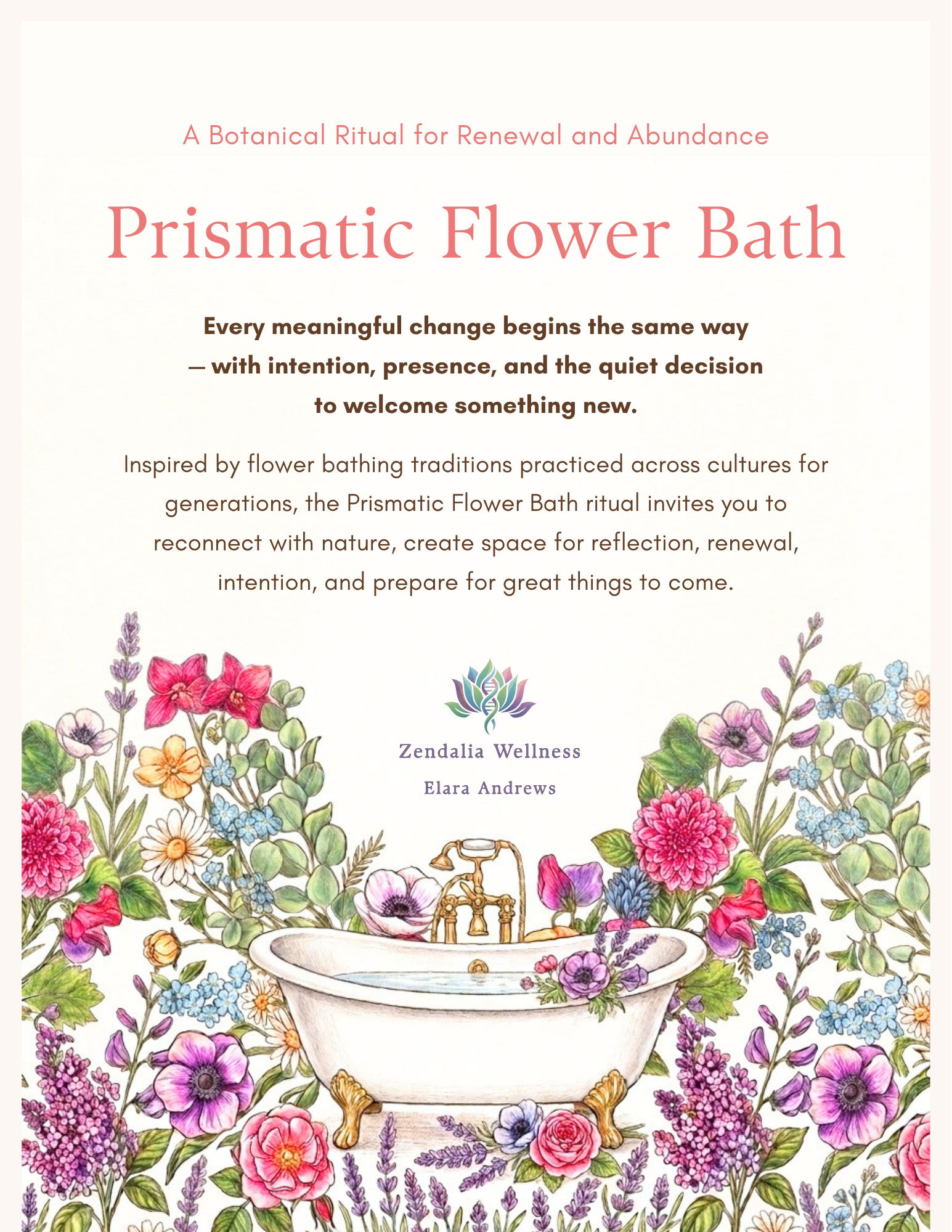
Guided botanical ritual for renewal. It includes a complete safety guide, step-by-step ceremony instructions, four guiding flowers, and print-and-write journal pages for your intention and reflection.
Why People Around the World Wash Away the Old and Welcome the New with Flowers
Every culture seems to have a moment when a bouquet isn’t enough. A wedding, a new baby, a new year, a hard season you’re ready to leave behind. Sometimes people want to step into the flowers.
Here are three places where that wish became a ritual.
Java and the Malay world: bathing before a beginning
In Indonesia, a mix of seven flowers is used in the siraman bathing for ceremony, and in the washing of heirloom objects. Wedding traditions follow the same logic. The Javanese bridal siraman is meant to purify the bride, inside and out, before married life begins. The recipe changes from place to place: Pasuruan in East Java, for example, has its own list. In the Malay tradition of mandi bunga, communities commonly use seven or nine kinds of blossom, such as rose, ylang-ylang, frangipani, and hibiscus, and the bath often opens with a prayer. One practitioner describes rubbing the skin with flowers and diced kaffir lime while imagining impurities being drawn out of the body.
China: fragrant water for a turning season
Chinese folk tradition ties fragrant baths to the calendar. The Dragon Boat Festival falls on the fifth day of the fifth lunar month, and a custom of bathing in orchid water on that day goes back to the pre-Qin period. That is older than the festival’s famous stories. In southern China, families have traditionally prepared herbal baths with mugwort, calamus, and citrus leaves as the weather turns hot and damp. The season was considered a vulnerable one, and fragrant plants were a way to meet it with care.
Peru and Ecuador: the flourishing bath
In the Andes and the Amazon, the baño de florecimiento is a flourishing bath. In Peru, floral baths are part of shamanic healing from the high Andes to the Amazon basin. A mestizo shaman describes the order of things: first a cleansing bath with herbs such as rue and rosemary, then the floral bath to invite what a person is seeking, such as luck and work. Cleanse first, then bloom. The practice is especially visible at New Year. In Lima, people queue at the Feria de los Deseos, where healers sweep yellow flowers over their bodies to start the year well. In Quito, market stalls sell bundles of sweet, bitter, and flourishing herbs for the turn of the year.
Honoring a tradition includes caring for the person practicing it. Our e-book covers flower safety in full, including which flowers to avoid.
Curious about the ritual? Prismatic Flower Bath walks you through it, step by step, safety first.


Coloring Books offer one volume per intention, each with 12 hand-drawn flower designs to color slowly and mindfully.
Prismatic Flower Collection
Every meaningful change begins with welcoming something new.
— a growing collection inspired by flower-bathing traditions found across cultures, each product invites you to reflect and make room for your next chapter.